

Key Takeaways
- Recognising the signs of problem gambling early is critical for financial and mental well-being, often manifesting as chasing losses or hiding gaming habits.
- Understanding the mathematics of casino games, such as the immutable nature of RNG and the House Edge, helps debunk myths that lead to compulsive behaviour.
- Regulatory bodies such as the UKGC enforce strict standards, but personal awareness and the use of safety tools remain the first line of defence.
Introduction
Online gambling is designed to be a form of entertainment, a digital leisure activity comparable to buying a cinema ticket or playing a video game. However, for a minority of players, the lines between enjoyment and compulsion can become blurred.
As the Senior Gaming Analyst for The Casino Count, I have spent years analysing the mechanics behind the games and the regulations that govern them.
The statistics provided by the UK Gambling Commission (UKGC) suggest that while the vast majority of adults gamble without issue, approximately 0.2% to 0.5% are classified as problem gamblers.
While that percentage seems statistically small, it represents real individuals facing significant challenges.
Identifying the warning signs early is the most effective way to prevent a hobby from becoming a harmful habit.
Our guide explores the psychological and behavioural indicators of problem gambling, backed by data and industry expertise.
The Psychology of Play: Why We Gamble
To understand problem gambling, one must first understand the mechanisms of the games themselves.
Casino games are built on mathematics, specifically Return to Player (RTP) percentages and Random Number Generators (RNG).
The industry average for online slot RTP is approximately 96%.
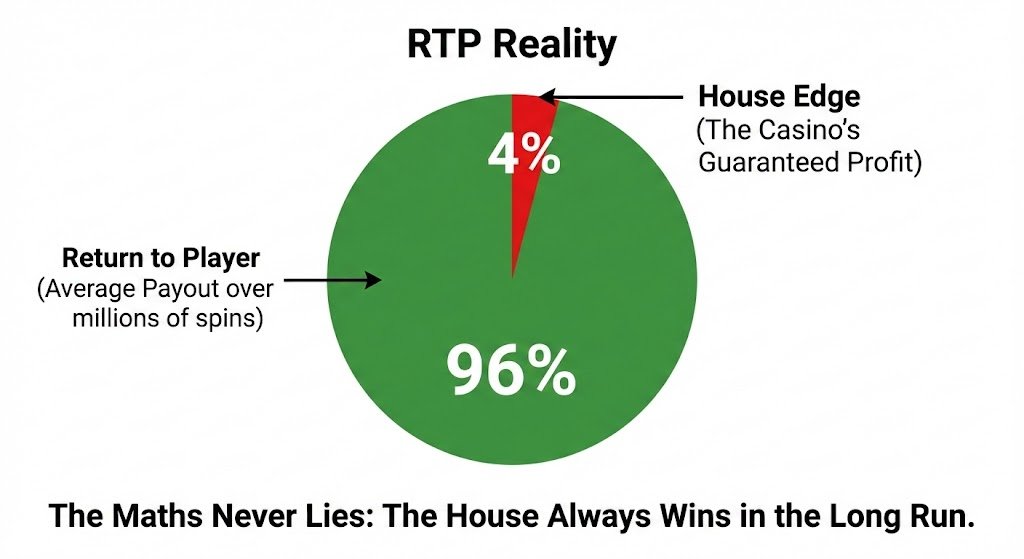
This means that over millions of spins, the “House” retains 4%, ensuring they always win in the long run.
Problem gambling often stems from a misunderstanding of these mechanics, specifically the “Gambler’s Fallacy.”
Debunking the “Hot” and “Cold” Myth
A common cognitive distortion among those struggling with gambling is the belief that a machine is “due” a win.
If a roulette wheel lands on Red ten times in a row, the problem gambler believes Black is now inevitable.
In reality, every spin, hand, or roll is an independent event governed by RNG.
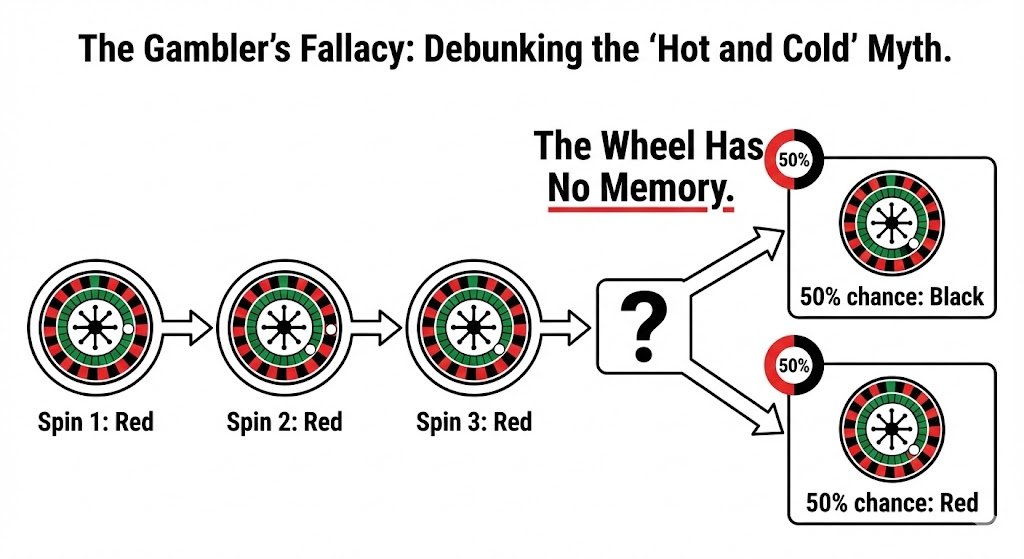
The odds do not have a memory; the probability remains exactly the same on the eleventh spin as it did on the first.
Believing you can predict or influence these outcomes is a key psychological trigger for chasing losses.
For a deeper understanding of game mechanics and rules, we recommend reading our How To Play Casino Game Guides.
Behavioural Warning Signs
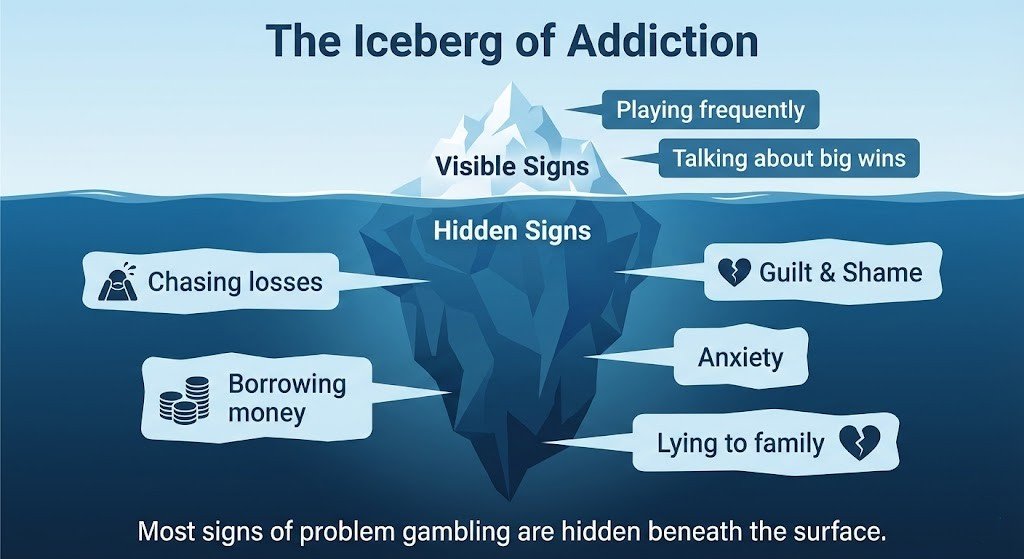
Changes in behaviour are often the first red flags, usually noticeable to the player’s friends or family before the player acknowledges them.
These signs often centre on how a person manages their time and their honesty about their hobby.
Preoccupation with Gambling
A major sign is when gambling shifts from a pastime to a preoccupation.
This involves constantly planning the next session or thinking about ways to raise money to gamble.
It stops being an activity you do when you are bored and becomes the only activity you want to do.
Hiding or Lying About Activity
Secrecy is a hallmark of addiction.
If you find yourself minimising the time or money you spend when asked by a partner, this is a significant warning sign.
Many players may hide their phone screens or clear their browser history to conceal their visits to casino sites.
Chasing Losses
“Chasing” is perhaps the most dangerous behaviour in gambling.
It occurs when a player tries to recoup losses by gambling more, typically with higher stakes.
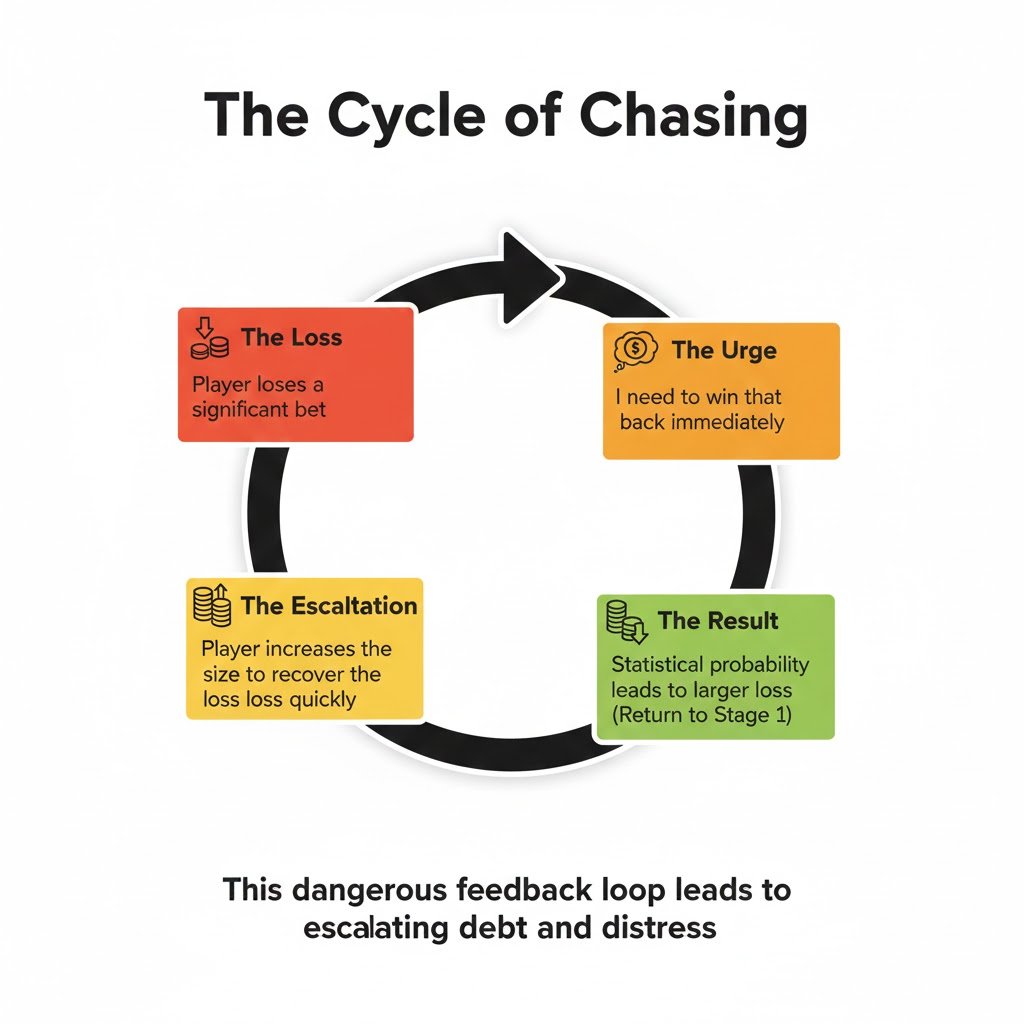
This ignores the mathematical reality of the House Edge and often leads to a spiral of increasing financial loss.
We discuss the dangers of this mindset extensively on The Casino Count Blog.
Financial Indicators
Financial stress is usually the most tangible impact of problem gambling.
However, the signs appear long before bankruptcy or severe debt occurs.
Gambling Beyond Means
The golden rule of gambling is to only wager what you can afford to lose.
A clear sign of a problem is using funds allocated for essentials—rent, bills, or groceries—to fund a casino account.
If the money in your gambling account is money you strictly need for next week’s living costs, the line has been crossed.
Borrowing or Selling
Borrowing money from friends, taking out payday loans, or selling possessions to gamble are serious indicators.
This demonstrates a loss of control and a desperation to continue playing despite insufficient funds.
The “Big Win” Fantasy
Problem gamblers often view gambling not as entertainment, but as a solution to financial trouble.
They may believe that one “big win” will solve their debts.
Given that the odds are statistically stacked against the player, relying on a jackpot for financial solvency is a critical error in logic.
Emotional and Physical Symptoms
Gambling affects neurochemistry, specifically the dopamine reward system.
When this system is overstimulated, the absence of gambling can lead to withdrawal-like symptoms.
Irritability and Anxiety
Feeling restless, easily annoyed, or anxious when not gambling is common among those with a developing problem.
You may find that everyday activities feel “dull” compared to the adrenaline rush of a spinning reel or a blackjack hand.
Sleep Deprivation
Online casinos operate 24/7, which can disrupt sleep patterns.
Staying up late to gamble, or waking up early to check bets, leads to fatigue that affects work and relationships.
Guilt and Remorse
Feeling a heavy sense of regret after a gambling session is not a normal part of the entertainment experience.
If you finish a session feeling ashamed or depressed rather than entertained, it is time to reassess your relationship with the activity.
The Role of the Operator: UKGC Standards
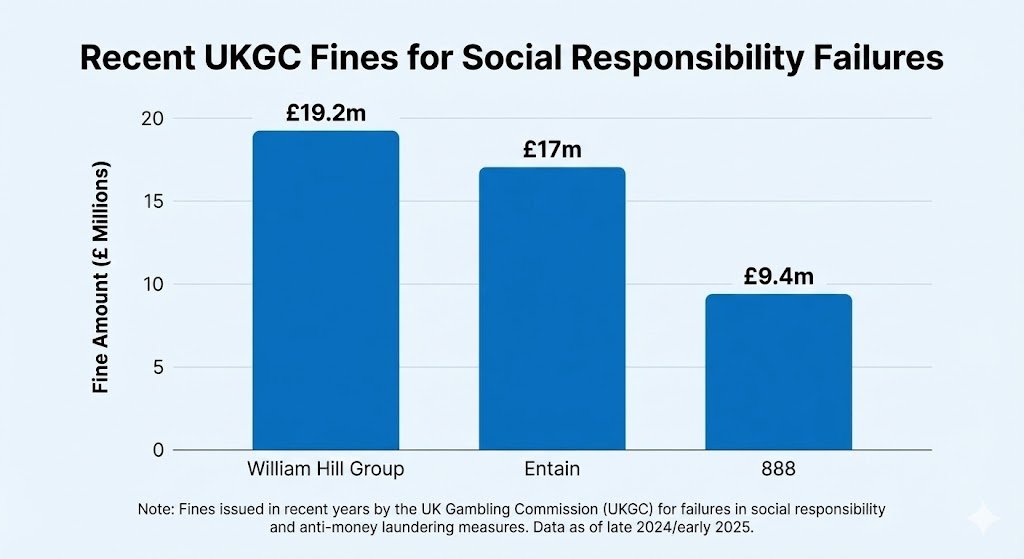
It is important to note that in the UK, the responsibility for safety does not rest solely with the player.
The UK Gambling Commission (UKGC) enforces some of the strictest regulations in the world.
Operators must monitor play for signs of harm, such as erratic spending patterns or extended session times.
Financial Vulnerability Checks
You may have heard of “affordability checks” or KYC (Know Your Customer) requests.
These are not designed to be intrusive but are regulatory requirements to ensure players are not gambling with money they do not have.
In recent years, the UKGC has issued fines totalling millions—including a record £19.2 million fine to a major operator in 2023—for social responsibility failures.
These fines prove that the regulator takes the failure to spot these signs very seriously.
Taking Action: Steps to Recovery
If you recognise these signs in yourself or others, immediate action is required.
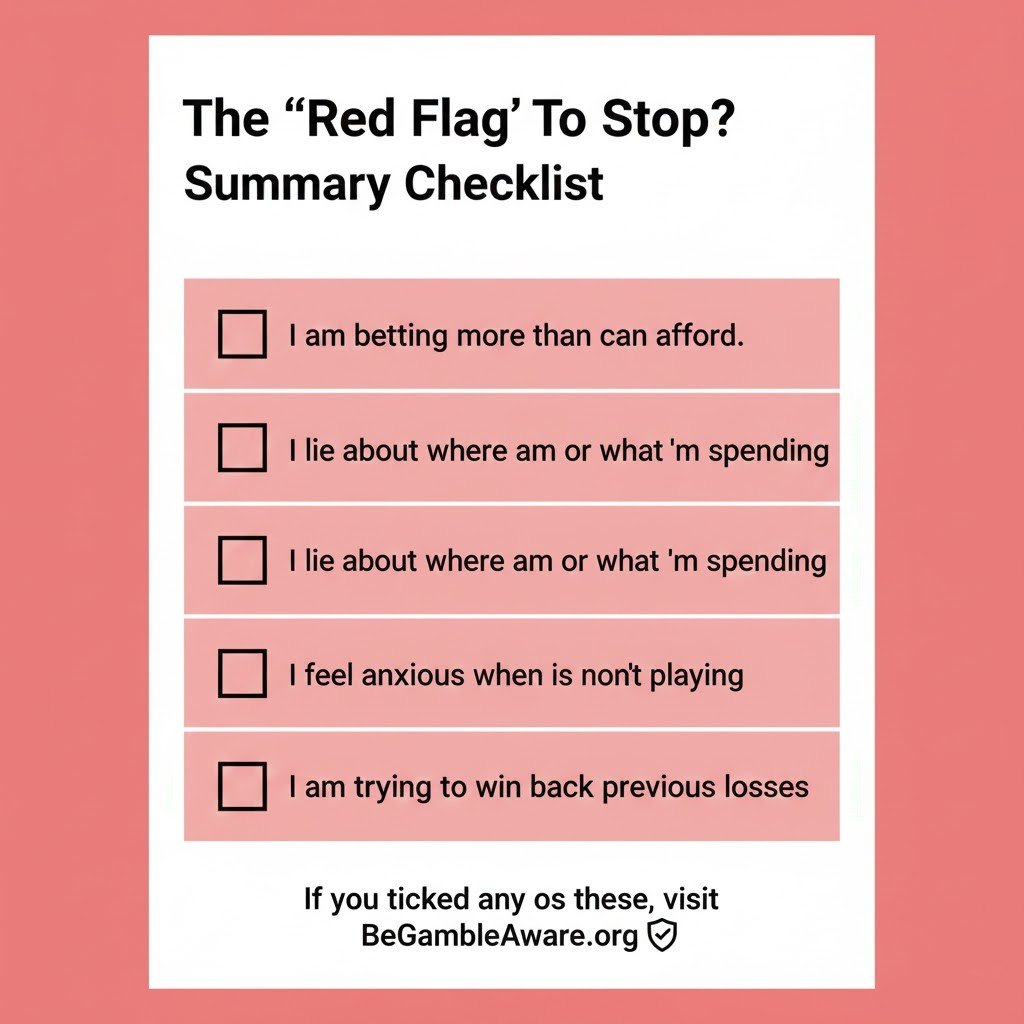
The first step is acceptance, followed by the utilisation of blocking software and exclusion tools.
Self-Exclusion Tools
In the UK, GAMSTOP is a free service that lets you set controls to restrict your online gambling.
Signing up for GAMSTOP prevents you from using gambling websites and apps run by companies licensed in Great Britain.
It is a powerful “circuit breaker” that provides the necessary space to break the cycle.
Banking Blocks
Many UK banks now offer the ability to block gambling transactions directly from their mobile apps.
This adds a layer of friction between the impulse to gamble and the ability to deposit funds.
For a detailed breakdown of these tools, please refer to our A practical guide to responsible gambling.
Professional Support
You do not have to tackle this alone.
Organisations like GamCare and the National Gambling Helpline provide confidential support and counselling.
Therapy, particularly Cognitive Behavioural Therapy (CBT), can help rewire the thought patterns associated with the gambler’s fallacy.
Conclusion
Recognising the signs of problem gambling is about honesty and awareness.
It requires accepting that the “House” always has the statistical advantage and that gambling should never be viewed as a source of income.
By understanding the psychology behind the games and monitoring your own behaviour for the signs discussed, you can ensure your gaming remains safe.
Whether it is chasing losses, hiding activity, or feeling anxious, acknowledging the symptom is the first step toward regaining control.
Responsible Gambling Statement
Gambling is a form of entertainment and should never be seen as a way to make money. The Casino Count is committed to promoting safe and responsible gaming. If the fun stops, stop.
Never bet money you cannot afford to lose. If you or someone you know is struggling, help is available.
- GamCare: 0808 8020 133
- BeGambleAware: BeGambleAware.org
- GAMSTOP: gamstop.co.uk
Frequently Asked Questions (FAQ)
How do I know if I am a problem gambler?
If you find yourself chasing losses, lying about how much you spend, or gambling with money meant for bills, you may be developing a problem. Ask yourself if gambling is causing stress rather than enjoyment; if the answer is yes, seek help.
What is the average RTP for online slots?
The industry standard for online slot Return to Player (RTP) is around 96%. This means the casino keeps 4% of all wagers over the long term, making it impossible to guarantee a profit as a player.
Can I reverse a GAMSTOP exclusion?
No, GAMSTOP exclusions are designed to be rigid and cannot be cancelled until the chosen minimum period (6 months, 1 year, or 5 years) has elapsed. This strictness is intentional to protect players during vulnerable moments.
Is it true that slots go through “hot” and “cold” cycles?
No, this is a myth. legitimate UK-licensed slots use a Random Number Generator (RNG) which ensures every spin is independent. Previous results have absolutely no influence on future outcomes.
Why do casinos ask for my financial documents?
Operators licensed by the UKGC are legally required to verify that your gambling is affordable and that the funds are legitimate. This is a “Source of Funds” check designed to protect players from financial harm and prevent crime.
Stay informed and gamble safely. For more insights, contact us at info@thecasinocount.com.





Leave a Reply