

Key Takeaways
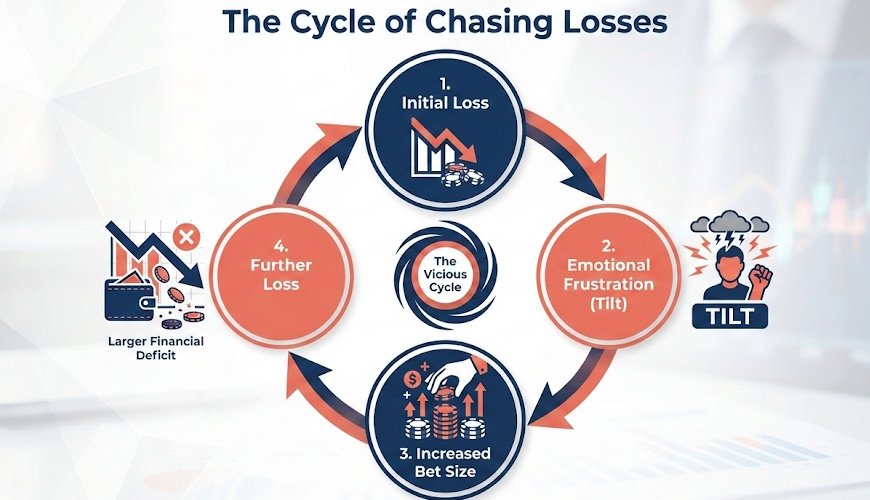
- Understanding tilt control involves recognising the physiological shift from rational decision-making to emotional reactivity during a losing streak.
- Implementing a strict stop loss strategy is the most effective way to prevent the “chase” and protect your long-term bankroll.
- Recognising early signs of gambling addiction—such as increasing bet sizes to recover losses—is vital for maintaining a healthy relationship with gaming.
What is ‘Tilt’ and Why Does it Happen?
In the world of high-stakes gaming, ’tilt’ is a state of emotional frustration that leads to sub-optimal decision-making. Originally a poker term, it now describes any scenario where a player loses their cool and starts betting erratically.
From a neurological perspective, tilt occurs when the amygdala—the brain’s emotional centre—hijacks the prefrontal cortex, which handles logic and risk assessment. When you experience a significant loss, your brain enters a ‘fight or flight’ mode, viewing the lost funds as a threat that must be neutralised immediately.
This chemical surge makes it nearly impossible to stick to a rational stop loss strategy. You aren’t just playing against the house; you are playing against a brain that is temporarily wired to take reckless risks.
How to Handle Tilt Before it Starts?
The most effective way to manage tilt is to have a framework in place before you ever place a bet. Professionals do not rely on willpower; they rely on systems that remove the need for emotion.
One essential system is understanding the How To Play Casino Game Guides to ensure your losses aren’t stemming from simple mechanical errors. When you know the rules inside out, you can differentiate between a “bad beat” and a “bad play,” which significantly reduces frustration.
Physical cues are often the first indicators of tilt. If you notice a quickened heart rate, clenched jaw, or the urge to click ‘deal’ faster, these are biological signals to step away.
Why Do We Feel the Need to Chase Losses?
Chasing losses is a psychological phenomenon driven by “loss aversion.” Research suggests that the pain of losing is twice as powerful as the joy of winning, creating a desperate urge to “get back to even.”
This is often compounded by the “gambler’s fallacy,” the mistaken belief that a win is “due” after a series of losses. In reality, every spin or hand is an independent event governed by a Random Number Generator (RNG).
To see how variance affects these outcomes over time, you should explore the psychology of variance: why we see patterns in randomness. Understanding that the “near-miss” is a programmed mathematical outcome rather than a sign of an impending win is a key component of gambling psychology.
How to Implement an Effective Stop Loss Strategy?
A stop loss strategy is a predetermined limit on how much money you are willing to lose in a single session. Once this number is hit, you must stop playing immediately, with no exceptions or “just one more” rounds.
- Fixed Percentage: Never risk more than 1% to 5% of your total bankroll in a single session.
- Time Limits: Set an alarm. Extended sessions increase fatigue, which lowers your resistance to tilt.
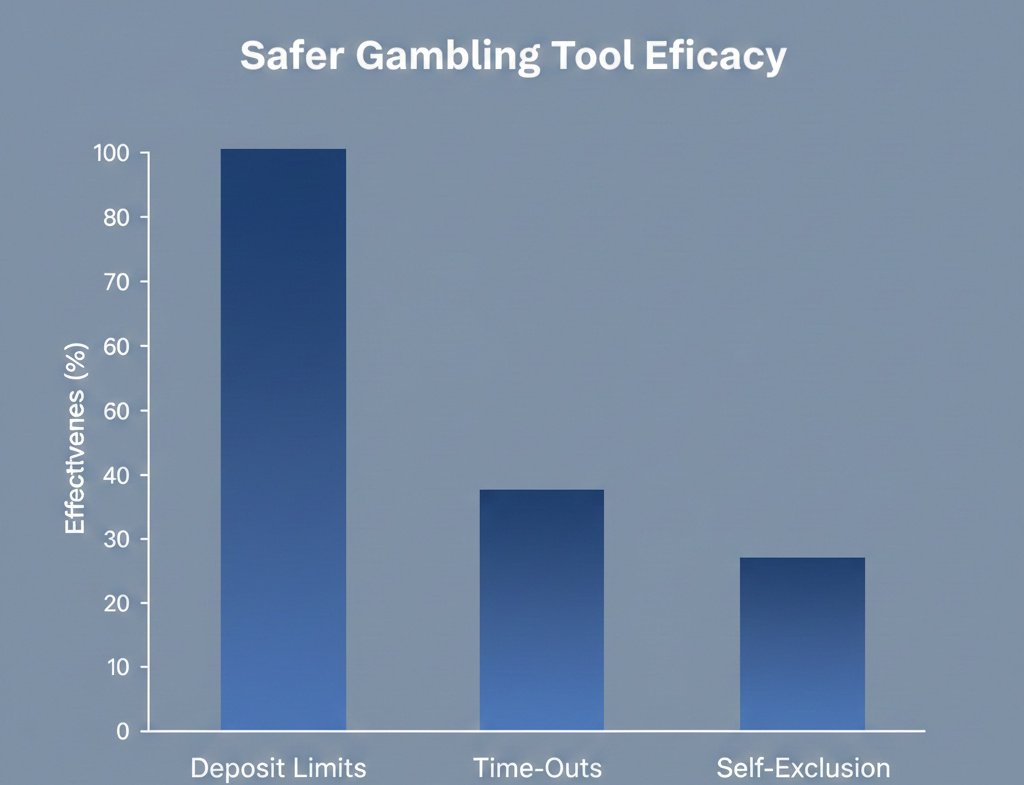
- Hard Stops: Use the tools provided by regulated sites to set daily or weekly deposit limits.
The experts at The Casino Count always recommend treating your gambling budget as an entertainment expense. If you wouldn’t spend £100 on a cinema ticket, don’t “lose” it in ten minutes expecting a return.
What Are the Warning Signs of Gambling Addiction?
Being a “Critical Friend” means being honest about the risks. Gambling can shift from a hobby to a problem quickly if you aren’t vigilant about your mental state.
Key red flags include:
- Spending more money or time on gambling than intended.
- Feeling irritable or restless when trying to cut down.
- Lying to friends or family about the extent of your gaming.
- Using gambling as a way to escape from stress or anxiety.
If you find yourself constantly thinking about The Casino Count Blog updates just to find a “winning edge” to pay off debts, it is time to seek professional support. Tools like GAMSTOP can provide a necessary circuit breaker by self-excluding you from all UK-licensed platforms.
The Role of the UKGC and Player Protection
The UK Gambling Commission (UKGC) mandates that operators monitor for “markers of harm.” This includes identifying players who frequently increase their deposits or play during the early hours of the morning.
As a player, you should also utilise external software such as BetBlocker or Gamban. These tools act as a digital safety net, preventing access to gambling sites across all your devices when your tilt control fails.
Remember, the house edge is a mathematical certainty. No “system” can overcome the built-in advantage the casino holds over thousands of rounds.
Responsible Gambling Statement
Gambling should be fun. If it stops being fun, stop. Visit BeGambleAware.org or GamCare if you need support or advice regarding your gambling habits.
Frequently Asked Questions (FAQs)
Can I ever “beat” tilt?
You cannot eliminate the emotion of frustration, but you can build a stop loss strategy that prevents that frustration from turning into financial damage. Professional players focus on their “process” rather than individual outcomes.
How long does a ’tilt’ last?
The physiological “high” of an emotional hijack can last for several hours. This is why a “cooling-off” period of at least 24 hours is recommended before returning to any gaming platform.
Is chasing losses ever successful?
Statistically, chasing losses only increases the “Expected Value” (EV) of your total loss. While a player might occasionally get lucky, the increased bet sizes used during a chase lead to a much faster depletion of the bankroll.
Are there apps to help with tilt control?
While no app can control your emotions, tools like QuitGamble offer community support and resources to understand the underlying triggers of your gambling behaviour.




Leave a Reply